Headless  Shopify: your own frontend, Shopify in the background.
With headless, Shopify stays responsible for products, cart and checkout. We build the visible website separately, with Next.js or Hydrogen. It pays off with a lot of content, custom design or multiple channels. For many shops a good theme is enough.



Theme or headless
| Question | Shopify theme | Headless |
|---|---|---|
| Who maintains content? | Theme editor in Shopify | Separate CMS such as Sanity or Contentful |
| Design | Free within the theme structure | Free, also for content pages and experiences |
| Apps from the App Store | Mostly run directly in the theme | Frontend parts often have to be rebuilt |
| Checkout | Shopify checkout | Shopify checkout as well |
| Effort and operations | Lower | Higher, a second system runs alongside |
What your next website could look like
See all work →When you don't need headless
Your shop mainly sells products and your content is manageable. Your team maintains everything in the theme editor. Then a theme is quicker to build and cheaper to run.
Load time alone is not a reason either. A lean theme also loads fast. We tell you that before the project.
In the intro call we set your goal together.
You learn which first step is worth it for you.
How we build headless
- Next.js
- Fits when shop and company website are one presence. We host on Vercel in the EU region.
- Hydrogen and Oxygen
- Hydrogen is Shopify's own framework for headless shops. Oxygen is the matching hosting, free of extra charge in the paid plans according to Shopify.
- Storefront API
- Both paths read products, prices and cart through the Storefront API. Checkout stays with Shopify.
- Content in the CMS
- Guides, landing pages and campaigns are maintained by your team in Sanity or Contentful. Products stay in Shopify and are only linked.
Operations after launch
- Preview for editorsYour team sees changes on the real page before publishing.
- MonitoringWe watch errors, load time and the connection to the Storefront API.
- UpdatesWe keep frameworks and dependencies current. We test new Shopify API versions before switching.
In the intro call we set your goal together.
You learn which first step is worth it for you.
Who this is for
A good fit if
- Content and brand carry equal weight with the products.
- Shop and company website should be one presence.
- You have a team or a partner for ongoing operations.
A weaker fit if
- Your shop gets along well with a theme and apps.
- You want to run as few systems as possible.
Reference websites
Intro call
Let's find out together where your growth gets stuck
- You talk to the team that also does the work. No sales loop.
- You learn which first step is worth it for you.
- If your question fits another specialist better, we'll tell you.

Start a project
What you probably want to know
Hydrogen fits pure shops that stay close to Shopify. Next.js fits when a larger website with content belongs to it. We recommend based on your project.
Apps in the background, for shipping or ERP for example, keep running. Apps with visible parts in the theme often have to be reintegrated. We check each app beforehand.
Yes. With headless too, customers buy in the Shopify checkout. Customizations to it run through checkout extensions.
It can be faster, but doesn't have to be. A lean theme also loads fast. We measure beforehand where your shop loses time.
Hosting of the frontend, the CMS and code maintenance come on top. With Hydrogen on Oxygen the hosting is free according to Shopify. We state the running costs in the quote.
Keep reading
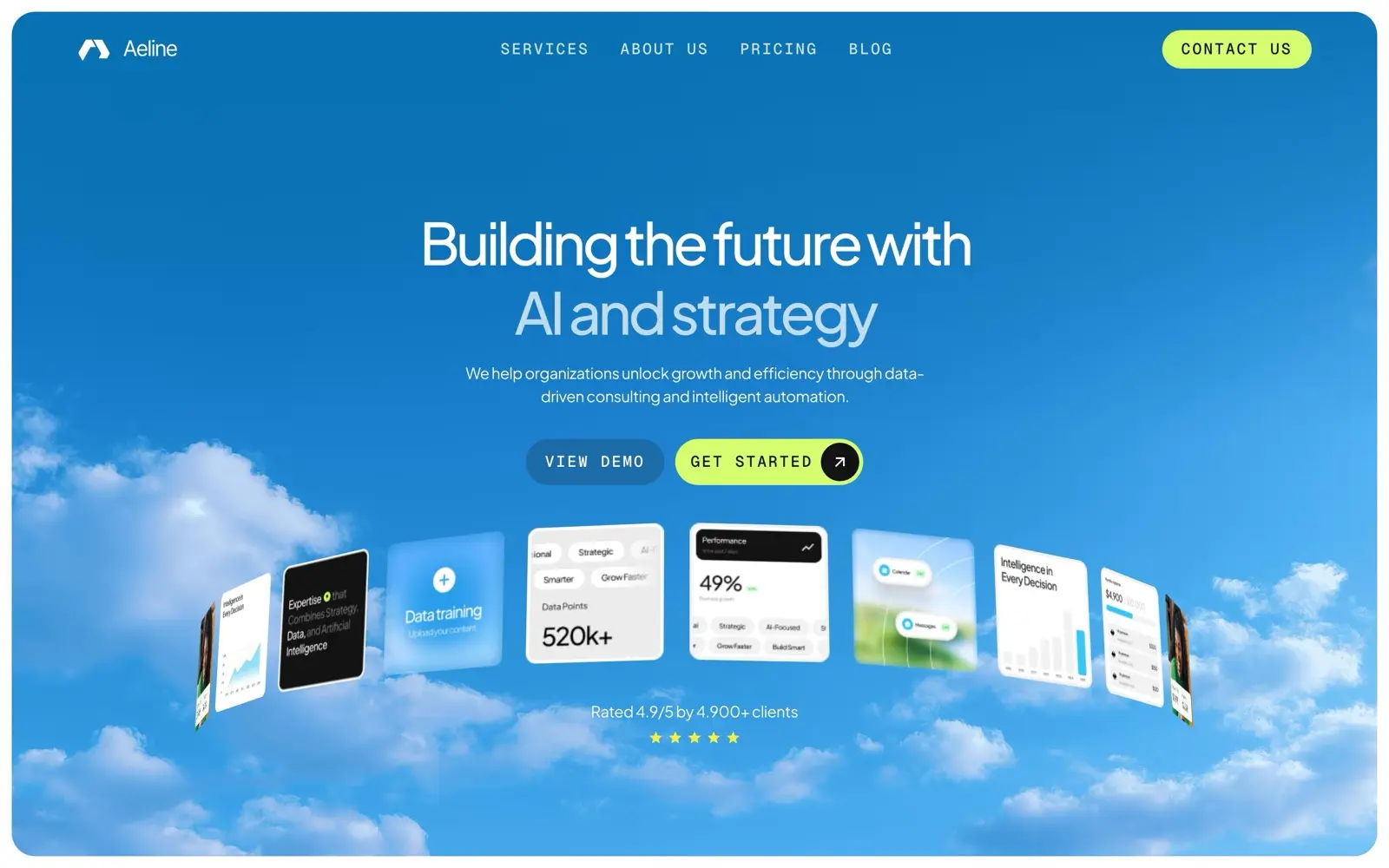 Next.jsWebsites and web apps with Next.js. Fast to load, easy to find, in your own code.
 SanitySanity CMS with its own studio, preview and languages. Set up for your editorial team.
 Headless CMSWhen a headless CMS makes sense, which one fits and what it costs.
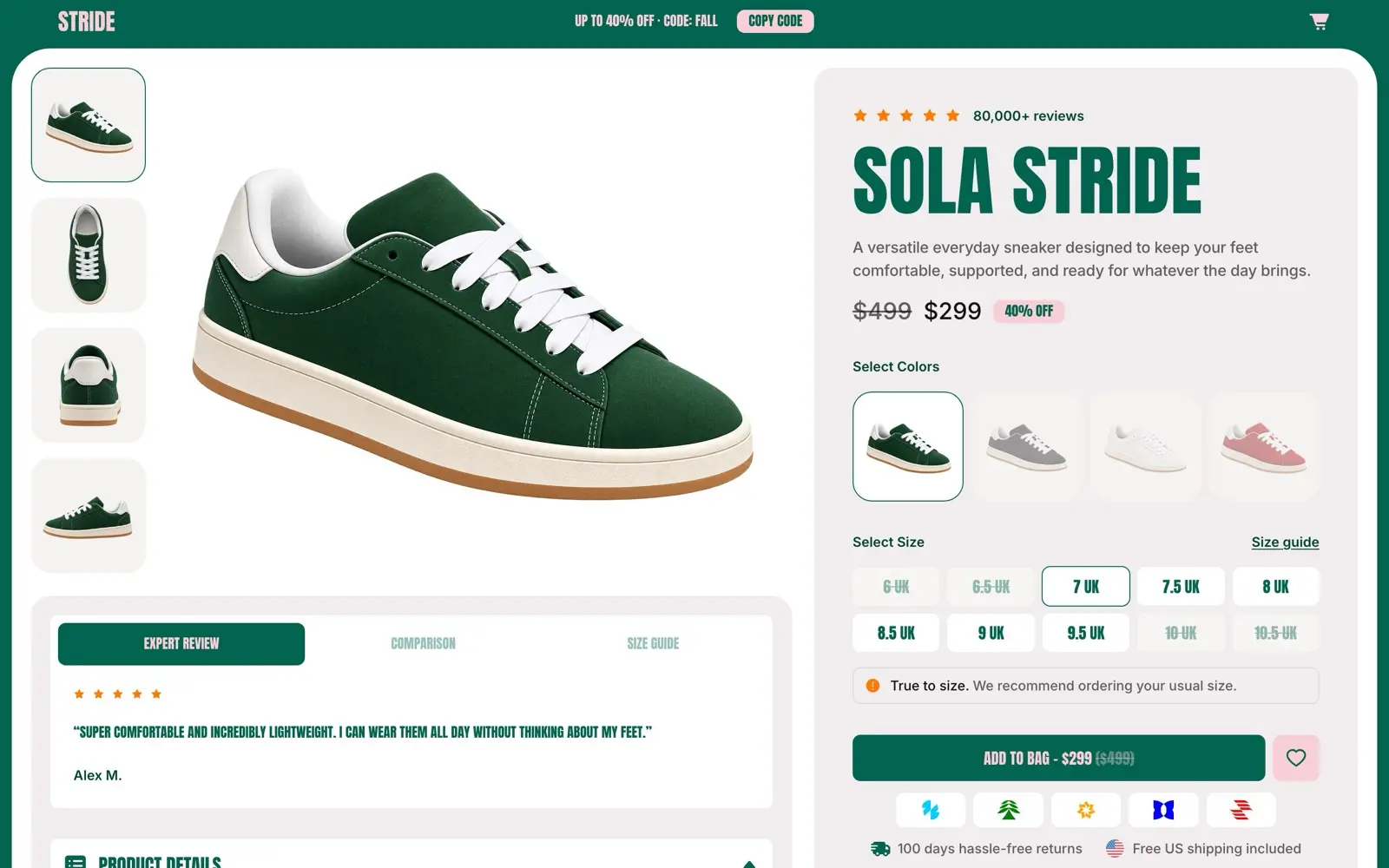 Shopify PlusWhen Plus pays off, what it costs and how we introduce it.
 ShopifyPlan, build and connect shops. From the first theme to Plus, B2B and headless.