ChatGPT ads: when a test is worth it and how to prepare it

Aqtelo teamDesign and engineering team
- Published
- Focus
- Germany, Switzerland
- Reading time
- 5 minutes
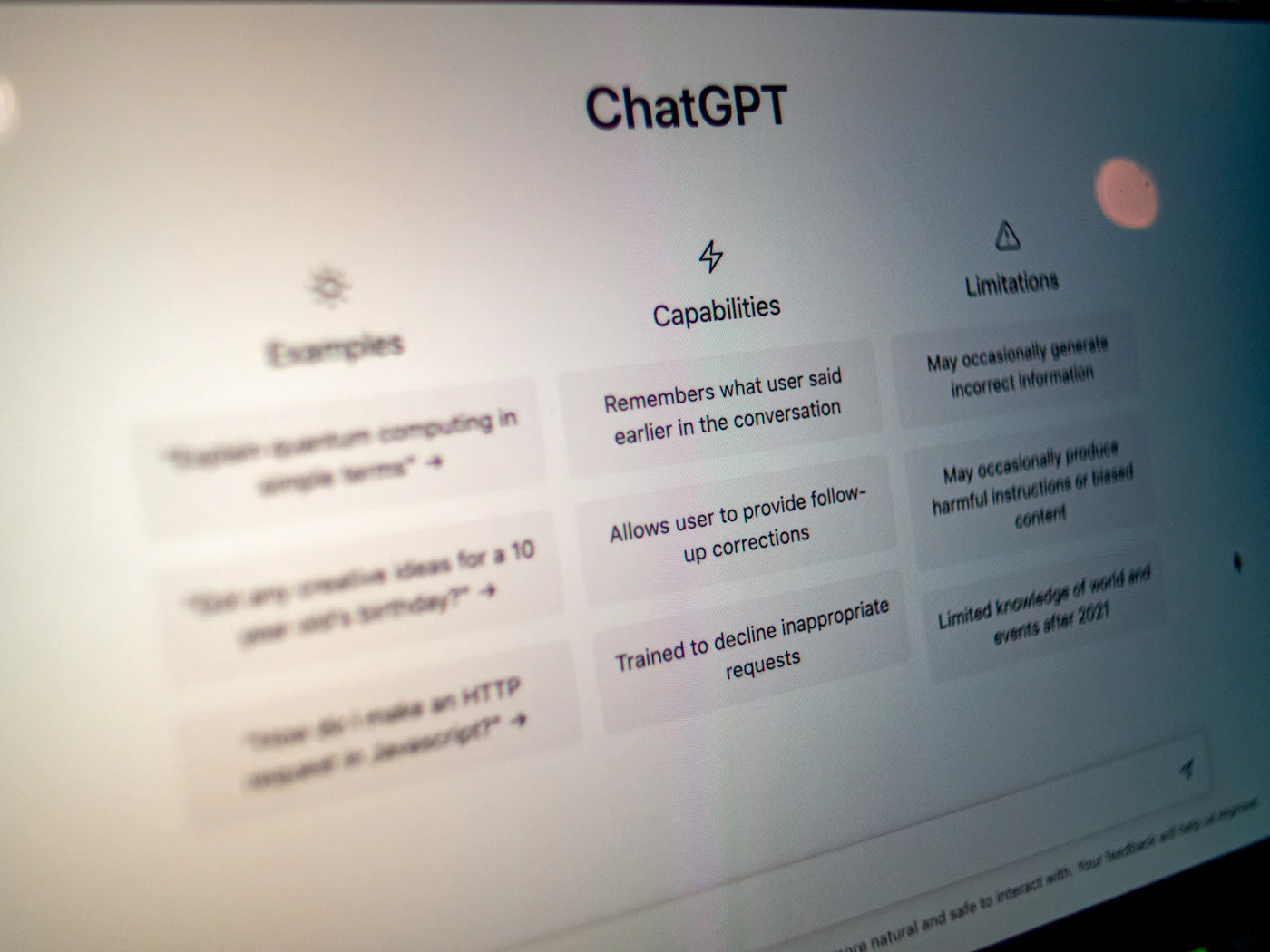
OpenAI now shows ads in ChatGPT. For marketing leads, that raises a new question. Is a test worth it, and what does it look like? For the first time in years, a large channel opens at the moment people ask instead of scroll.
This article separates what is settled from what is still moving. It doesn't state a price or a timeline, because both keep changing. It shows how to decide and what to prepare. As of October 2026.
What are ChatGPT ads?
ChatGPT ads are paid placements in ChatGPT conversations. If someone asks a question with buying intent, an ad can appear below the answer. It sits in its own box and is labeled as sponsored. According to OpenAI, the answer itself stays untouched.
This difference matters. Being named in the answer is organic visibility. It comes from good pages and mentions on other websites. How that works is covered in Getting recommended in ChatGPT. Advertising below the answer is paid visibility. The two complement each other, and neither replaces the other.
Who sees the ads and who doesn't
Not every user is reachable. According to OpenAI, ads appear only in the lower-priced plans, Free and Go. Anyone on Plus, Pro, Business or Enterprise sees no ads. Accounts of minors don't get ads either. OpenAI keeps conversations about health or politics free of ads.
For B2B companies, the point about licenses is decisive. Many decision-makers use ChatGPT through their company's license. You don't reach these people with ads. A test is therefore worth it mainly if your buyers also use ChatGPT privately or in small companies.
Before you start, check in the ad account which countries and features are enabled for you. Also read OpenAI's advertising policies. Sensitive industries such as health, finance and law have their own rules.
Targeting and data protection
With Google Ads, you bid on search terms. In ChatGPT, the context of the conversation decides. According to OpenAI, in Europe the system serves ads mainly by this context, not by personal profiles. The text of your landing page feeds into this decision. An unclear page leads to unclear placements.
According to OpenAI, advertisers see only aggregated figures. They don't get individual chats or data about specific people. It's different on your own website. There, your obligations apply:
- Germany: Under § 25 TDDDG, a tracking pixel may only load once the visitor has consented. The processing of the data is governed by the GDPR.
- Switzerland: The revised Data Protection Act requires transparency. Under the Telecommunications Act, you must inform people about cookies and allow them to decline. If your site also targets people in the EU, the GDPR applies in addition.
What that means for your website in practice is covered in the GDPR checklist for websites. Whether the rules apply to your case exactly like this is a question for legal counsel.
ChatGPT Ads or Google Ads?
| Google Ads | ChatGPT Ads | |
|---|---|---|
| Trigger | Search terms someone types | Context of a conversation |
| Placement | Search results, Maps, YouTube, Display | Below ChatGPT's answer |
| Audiences | Remarketing, customer lists, interests | Mostly context, little personalization |
| Reporting | Detailed and grown over years | Aggregated, still being built |
| Fits for | Capturing existing demand | Being present while buyers research |
For most companies, ChatGPT ads don't replace Google Ads. They start earlier in the decision. If your Google campaigns aren't profitable yet, fix those first. If they run well, ChatGPT is a sensible test channel.
When a test doesn't fit yet
- Your website has no page where an enquiry actually happens. Then the page comes first. More on this in Landing page or website.
- Your buyers sit almost only in corporations with a company license. They see no ads.
- Your industry falls under the restrictions of the advertising policies.
- You need reliable results within a few weeks. The channel is new, and features are still changing.
- You can't hold the budget long enough to collect reliable data.
How to prepare a test
- Pick one offer. One service, one market, one audience. Clear context leads to matching placements.
- Build the landing page. Fast, readable for crawlers, with one clear action. Deliver what the ad promises.
- Set up tracking with consent. Consent banner, clean events, ideally server-side. That lets you compare ChatGPT with Google and LinkedIn per enquiry.
- Set a target figure. For example, cost per qualified enquiry. Set the figure before the start, not after.
- Plan a fixed period. The first weeks are for learning. Decide only afterwards, with real numbers.
This is how we work at Aqtelo too. We agree the target figure upfront and report against it. The ad account runs in your name and belongs to you.
Frequently asked questions
No. According to OpenAI, ads appear separately below the answer and don't influence it. To be named in the answer, you need organic visibility. More on this in SEO or GEO.
No. According to OpenAI, advertisers get only aggregated figures such as impressions, clicks and costs. They don't see individual conversations or personal data.
Almost never. Google Ads capture people who already know what they're looking for. ChatGPT ads reach them earlier, while they research. Plan ChatGPT as an additional test budget.
That depends on how your buyers use ChatGPT. Anyone who works only through a company license sees no ads. For owners, freelancers and small companies, it looks different. A limited test will show.
The first step
Open the page an ad would lead to. Check whether a stranger understands in ten seconds what you offer and what to do next. If not, the test starts there. How we plan ads, landing pages and measurement together is covered under Growth.
Read with AI
Keep reading

5 min read
Landing Page or Website: What Your Campaign Really Needs
One page for one goal, or a whole website? When campaigns on Google, Meta or LinkedIn need their own landing page, and how to connect both cleanly.
6 min read
Landing Page Optimization: A Checklist for More Enquiries
More enquiries from the same ad budget: seven checkpoints from offer and goal through ad, form and trust to load time and tests.

5 min read
Generative Engine Optimization (GEO) Explained
GEO makes sure AI assistants name your company in their answers. What the term means, how it differs from SEO and AEO, and a checklist to tick off.